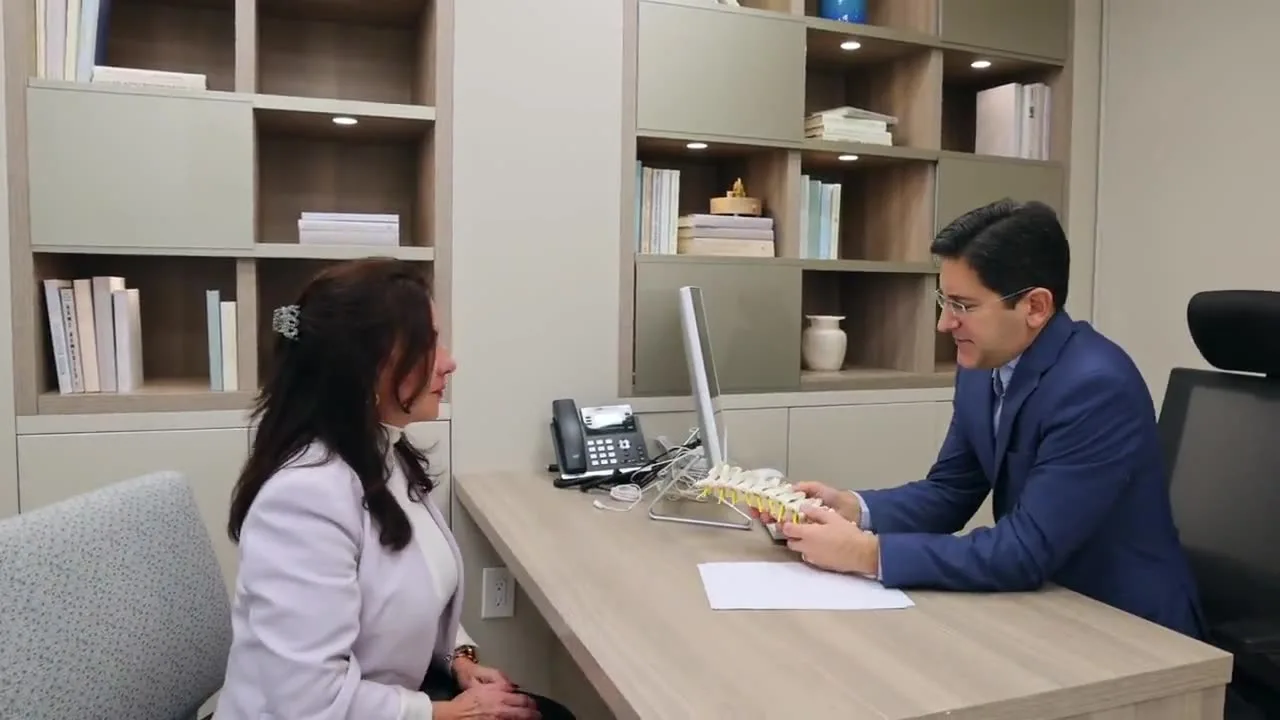
Back Pain
Comprehensive guide to back pain including common causes, symptoms, treatment options from conservative therapy to surgery, and when to consult a spine specialist.
Back Pain: Causes, Symptoms, Treatment Options & When to See a Spine Surgeon
The Basics
- Back pain is one of the leading causes of disability worldwide and is the second most common reasons that Americans go to the doctor
- 80-90% of cases of back pain are "non-specific," meaning that no single cause can be identified on examination or testing. Some types of back pain have specific root causes (like disc herniation or nerve entrapment), many of which can be addressed with surgery
- People who are overweight, those over 40, individuals with a history of back injury, and women have a higher risk of back pain
- First line treatment for many kinds of back pain focuses on physical therapy, however surgical interventions may be warranted for certain conditions.
- You may benefit from the care of a spinal surgeon if you have back pain that is unresponsive to other treatments or if you have concerning symptoms like loss of bowel/bladder control (incontinence), weakness in your arms/legs, or severe pain at night.
Where Lower Back Pain Begins
Watch this educational video to understand the anatomy and common sources of lower back pain.
Introduction
Back pain is the leading cause of disability worldwide and is the second most common reason Americans go to their doctors (1, 2). At any given point in time, 12% of adults globally report struggling with pain in their back, though many lack the information needed to get the help they need to heal (3). This article discusses some of the common causes of back pain, symptoms to watch out for, and treatment options to help your back feel better. It will also outline when to seek care from a Spine Surgeon. For further information on specific conditions and treatments, click on the relevant headers below.
Causes
Given the many muscles, bones, tendons, ligaments, and nerves that make up the back and spinal cord, back pain is complex and often multifactorial. Approximately 80-90% of individuals reporting back pain have "non-specific" causes of their symptoms, meaning there is no single driving factor identified on physical examination or testing. The other 10-20% of people with back pain have clear causes that may benefit from surgical treatment. Some of the most common causes include:
- Disc Herniation
- Spinal Stenosis
- Radiculopathy
- Myelopathy
- Spondylolisthesis
- Spine Tumors
Symptoms
Back pain may be accompanied by many other symptoms, some of which may be useful for your doctor to help determine the underlying cause. Patients with back pain may also report:
- Difficulty sleeping
- Low energy
- Depressed mood
- Difficulty walking/engaging in activity
- "Pins and needles" or other strange sensations in the arms and legs
Severe or concerning symptoms that suggest you should seek immediate care include:
- Loss of strength/movement in one or more extremities
- Loss of bladder/bowel control
- Severe pain at night
Patients with histories of cancer or risks for potential infection (fever, night sweats, decreased immune function) should also seek the guidance of a licensed physician.
Treatment Options
The goal of treatment for patients with back pain is to help them maintain their mobility and quality of life while addressing contributing factors. As many patients with back pain have no single cause of their pain, physical therapy remains the first-line treatment for most patients. Medication, often for pain control, remains second-line to non-medication interventions. Surgery may be appropriate for patients with specific conditions (like those noted above). For more information on specific procedures, please see the separate page titled "Spine Surgery" in individual pages for each procedure.
When to See a Spine Surgeon
Patients with severe symptoms, patients with a history of cancer, or patients with pain not-responsive to physical therapy may benefit from a consultation with a physician to discuss imaging and further treatment options (eg. surgery). Your primary physician is an excellent resource to provide initial guidance regarding treatment for back pain and referrals to spine surgeons in your area. Those with known diagnoses of conditions causing back pain may also seek consultation from a surgeon to determine whether or not they are a good candidate for the procedures that may treat their condition.
Managing Low Back Pain
Learn about strategies and treatment options for managing low back pain and improving your quality of life.
Citations
- https://pubmed.ncbi.nlm.nih.gov/30854609/
- https://jamanetwork.com/journals/jamaneurology/fullarticle/2712902?utm_source=openevidence&utm_medium=referral
- https://www.nejm.org/doi/full/10.1056/NEJMcp2032396?utm_source=openevidence
Ready to Discuss Your Condition?
Contact our team to schedule a consultation and learn more about treatment options tailored to your needs.
Individual patient results vary. This information is educational and not a substitute for professional medical advice.