Spinal Stenosis
Learn about spinal stenosis, a common condition causing back pain through spinal canal narrowing. Discover causes, symptoms, and treatment options from conservative therapy to surgery.
Spinal Stenosis: Causes, Symptoms, and Treatments (from Therapy to Surgery)
Introduction
Spinal Stenosis, the narrowing of the spinal canal, is a common cause of back pain in adults and is the leading reason that American adults seek back surgery (1). Approximately 11% of American adults, or 200,000 people each year, are affected by spinal stenosis, however many of those affected lack information on their condition (2,3). This article discusses some of the common causes of spinal stenosis, symptoms to watch out for, and treatment options to help your back feel better. It will also outline when to seek care from a Spine Surgeon. For further information on spinal stenosis or available treatments, please consult with a licensed healthcare professional.
Understanding Spinal Stenosis
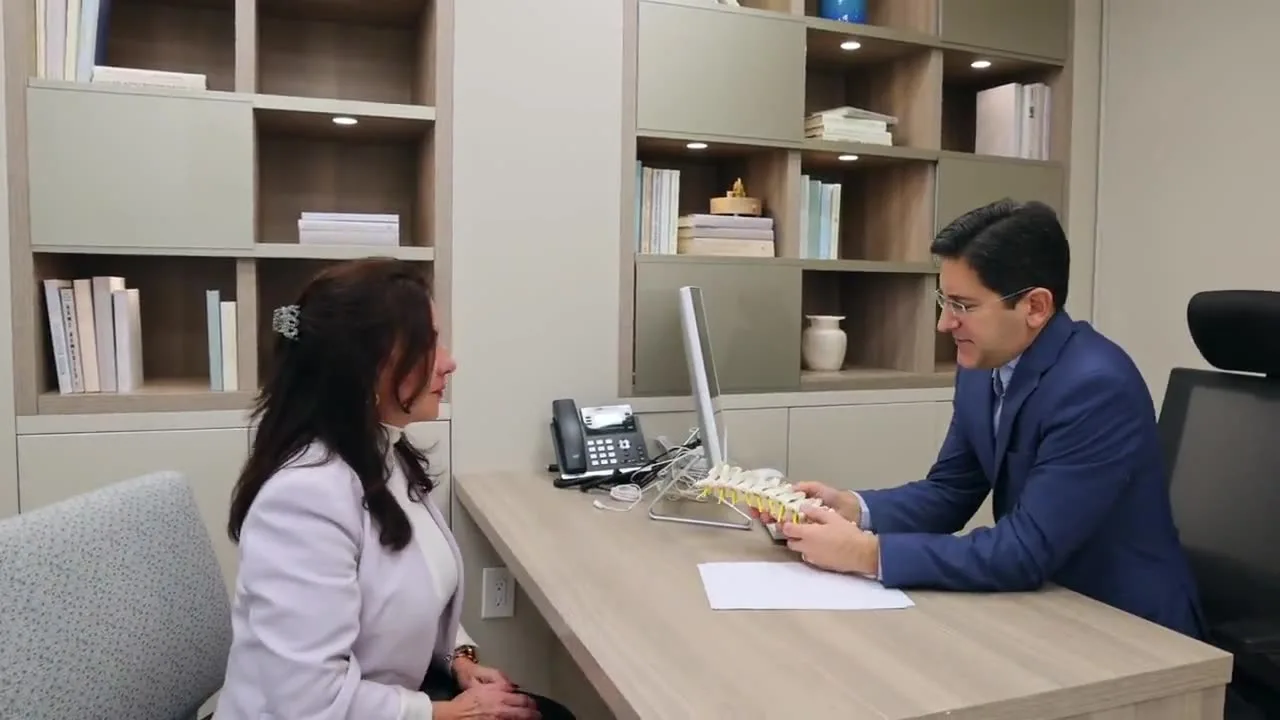
Watch this educational video to learn about spinal stenosis, how it develops, and how it may affect your daily life.
Causes
Typically, spinal stenosis is a degenerative process, meaning it results from the gradual breakdown of body tissues over long periods of time. Often, this process begins with breakdown of the intervertebral discs that separate and cushion the bones of the spine, leading to increased strain on the facet joints that help to coordinate movement between adjacent bones of the spine. Over time, increased strain leads to the formation of new bone and scar tissue that narrows the spinal canal itself, leading to back pain and pressure on the spinal cord.
Rarely, spinal stenosis may result from cancer, either of the spine or metastasizing from another primary tumor, or from other primary disease of the spine. Patients with a history of smoking, obesity, or family histories of spinal stenosis may be at increased risk. In all cases, patients with signs of spinal canal narrowing should seek evaluation from a medical professional to rule out rare but dangerous causes of disease.
Symptoms
Symptoms of spinal stenosis tend to follow with the location of the narrowing. As such, patients with narrowing in the cervical (upper) spine often report:
- Neck pain*
- Neck stiffness
- Altered sensation in the arms/legs
- Weakness or decreased coordination of the arms/legs
- "Electric shock-like" pains with neck movement
Those with narrowing of the lumbar (lower) spine typically describe the following:
- Back pain*
- Back stiffness
- Altered sensation in the legs
- Weakness or decreased coordination of the legs
*Notably, the pain of spinal stenosis frequently improves with leaning forward or sitting, as these positions reduce the pressure on narrowed parts of the spine.
Some symptoms associated with spinal stenosis may reflect progressive disease requiring immediate attention from a clinician. These include:
- Night sweats/fevers
- Weight loss
- Loss of bowel/bladder control
- Rapidly decreasing strength or feeling in one or more extremities
- Numbness of the genitalia and/or anus
Treatment Options
First line treatment for spinal stenosis in the absence of red flag symptoms is conservative management involving physical therapy and activity modifications (3). NSAIDs (eg. ibuprofen/Advil™, naproxen/Alieve™, etc) are frequently used to help control pain, though evidence is mixed regarding their effectiveness. Epidural corticosteroid injections can provide meaningful short term relief but do not address the underlying disease process. Though commonly used, other over-the-counter or supportive pain medications (acetaminophen, gabapentin) have not shown benefit compared to placebo for reducing pain caused by spinal stenosis.
For patients with symptoms that persist despite modifications to activity and pain support, decompression surgery can provide meaningful improvement in function and pain (4). In the absence of a rare clinical emergency, spinal stenosis progresses slowly. As such, surgery is typically elective.
When to See a Spine Surgeon
Patients with known spinal stenosis not responsive to over-the-counter pain medications and activity changes should discuss with their primary care provider to determine whether a referral to a spine surgeon could be helpful.
Lumbar Epidural Steroid Injection
Learn about lumbar epidural steroid injections, a common treatment option that can provide relief from spinal stenosis symptoms.
Citations
- https://pubmed.ncbi.nlm.nih.gov/26727925/
- https://www.aafp.org/pubs/afp/issues/2024/0400/lumbar-spinal-stenosis.html
- https://jamanetwork.com/journals/jama/article-abstract/2791689?utm_source=openevidence&utm_medium=referral
- https://pubmed.ncbi.nlm.nih.gov/36208894/
Ready to Discuss Your Condition?
Contact our team to schedule a consultation and learn more about treatment options tailored to your needs.
Individual patient results vary. This information is educational and not a substitute for professional medical advice.